
Indian Diet Plan for Weight Loss with Diabetes

Fact checked by Diabetes.co.in Medical Review Board
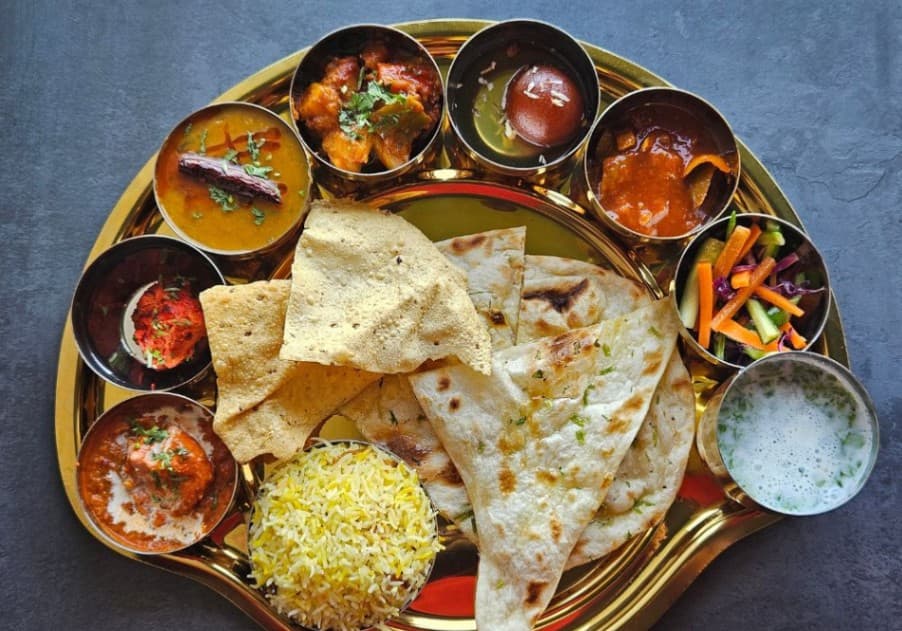
For people living with diabetes, losing excess weight can improve blood glucose control, insulin sensitivity, blood pressure, cholesterol levels, and overall metabolic health. The challenge is finding an eating pattern that supports weight loss without causing large fluctuations in blood glucose or being so restrictive that it becomes difficult to maintain.
An Indian diet can work very well for weight loss and diabetes management. Traditional Indian meals include many nutritious foods such as lentils, beans, vegetables, whole grains, curd, nuts, seeds, fish, eggs, and other protein sources. However, portion sizes and the balance between carbohydrates, protein, vegetables, and fats are important.
There is no single Indian diabetes diet that is appropriate for everyone. Food preferences, medications, activity level, body weight, blood glucose levels, and other medical conditions should all be considered. The following approach provides a practical starting point that can be adjusted to individual needs.
How Does Weight Loss Help with Diabetes?
Excess body fat, particularly fat stored around the abdomen and internal organs, is associated with increased insulin resistance. When insulin resistance is present, the body's cells do not respond to insulin as effectively, making it more difficult to regulate blood glucose.
For people with type 2 diabetes who have overweight or obesity, losing even a modest amount of weight can improve insulin sensitivity and blood glucose control. Weight loss may also reduce blood pressure, improve blood lipid levels, and lower the risk of other health problems associated with diabetes.
Weight loss does not require eliminating carbohydrates or following an extreme diet. A more sustainable approach is to improve the quality of the diet, control portions, increase physical activity, and create a moderate calorie deficit that can be maintained over time.
What Should an Indian Diabetes Weight Loss Diet Look Like?
A useful way to structure meals is to think about how much space different foods occupy on the plate. For many people, a balanced meal can be built around vegetables, protein, and a controlled portion of carbohydrate.
- Half the plate: Non-starchy vegetables such as spinach, cauliflower, cabbage, beans, bhindi, brinjal, bottle gourd, cucumber, tomato, capsicum, or broccoli.
- One-quarter of the plate: Protein such as dal, beans, paneer, tofu, eggs, chicken, fish, or other lean protein.
- One-quarter of the plate: Carbohydrate foods such as roti, brown rice, millets, oats, or another whole grain.
This is a general framework rather than a strict rule. Individual carbohydrate requirements can vary considerably, especially for people taking insulin or medications that can cause hypoglycemia.
Sample Indian Diet Plan for Weight Loss with Diabetes
The following is an example of how meals could be structured throughout the day. Portion sizes should be individualized according to calorie needs, glucose response, medications, and physical activity.
| Meal | Food Options |
|---|---|
| Early morning | Water, unsweetened tea, or unsweetened coffee. A small portion of nuts may be included if hungry. |
| Breakfast | Vegetable oats or vegetable dalia with curd, 2 moong dal chillas with vegetables, 2 eggs with vegetables and a small roti, or vegetable upma with an added protein source. |
| Mid-morning | One portion of whole fruit such as guava, apple, orange, pear, or papaya. |
| Lunch | 1 to 2 small rotis or a controlled portion of rice, dal or another protein source, plenty of cooked vegetables, salad, and unsweetened curd. |
| Evening snack | Roasted chana, a small handful of nuts, sprouts chaat, boiled egg, or unsweetened tea or coffee. |
| Dinner | Vegetables with dal, paneer, tofu, chicken, fish, or eggs plus a small portion of roti, millet, or rice if needed. |
| If hungry later | A small portion of unsweetened curd or another suitable low-calorie option, depending on individual needs. |
This plan does not need to be followed exactly. Foods can be exchanged based on regional cuisine, vegetarian or non-vegetarian preferences, availability, and individual glucose response.
Do You Need to Stop Eating Rice?
No. Having diabetes does not automatically mean that rice must be completely eliminated.
Rice is rich in carbohydrate and can raise blood glucose, particularly when eaten in large portions. The amount consumed and what is eaten with it can make a significant difference.
Instead of eating a large plate of rice with relatively little protein or vegetables, consider reducing the rice portion and increasing vegetables and protein. Dal, fish, chicken, eggs, curd, paneer, or legumes can help make the meal more balanced.
Brown rice and some less-refined grains may provide more fiber than highly polished white rice, but portion size still matters. Simply replacing white rice with brown rice does not make unlimited portions appropriate for diabetes or weight loss.
Are Rotis Better Than Rice?
Rotis can be a useful carbohydrate source, particularly when made from whole-grain atta, but they are not automatically a weight-loss food.
Eating four or five rotis at a meal can provide a substantial amount of carbohydrate and calories. For someone trying to lose weight, the number and size of rotis matter.
A meal containing one or two smaller rotis with plenty of vegetables and an adequate protein source may be more appropriate for many people than several rotis with only a small serving of sabzi.
The same principle applies to rice, dosa, idli, poha, upma, and other carbohydrate-rich foods. Portion size and the overall composition of the meal are more important than labeling individual foods as "good" or "bad."
Include Protein at Every Major Meal
One common problem with some Indian eating patterns is that meals can become heavily carbohydrate-based. For example, breakfast may consist mainly of idli, dosa, poha, or upma, while lunch may contain a large amount of rice or roti.
Including protein can improve satiety and help preserve lean muscle while losing weight.
Useful protein sources include:
- Dal and lentils
- Chana and rajma
- Soybeans and tofu
- Paneer
- Unsweetened curd or Greek-style yogurt
- Eggs
- Fish
- Chicken
- Other lean meats
- Nuts and seeds in moderate portions
People with chronic kidney disease may require individualized advice about protein intake and should discuss this with their healthcare team or dietitian.
Eat More Vegetables
Non-starchy vegetables are particularly useful during weight loss because they provide fiber, vitamins, minerals, and volume without contributing large amounts of calories.
Indian cuisine offers many options, including:
- Bhindi
- Brinjal
- Palak and other leafy greens
- Cauliflower
- Cabbage
- Capsicum
- Bottle gourd
- Ridge gourd
- Bitter gourd
- Green beans
- Cucumber
- Tomatoes
Cooking method matters. Vegetables prepared with large amounts of oil, ghee, cream, coconut, or fried ingredients can contain considerably more calories than steamed, grilled, roasted, or lightly cooked vegetables.
Fruit Can Still Be Part of the Diet
People with diabetes do not usually need to avoid fruit completely. Whole fruit provides fiber and important nutrients and can be included in an appropriate eating plan.
The key distinction is between whole fruit and fruit juice. Juice removes much of the structure and fiber of whole fruit and makes it easy to consume a large amount of carbohydrate quickly.
Whole fruits such as guava, apples, oranges, pears, berries, and papaya can be reasonable choices. Bananas, mangoes, grapes, and other sweeter fruits can also be eaten, but portion size may need more attention.
Individual glucose responses vary, so monitoring blood glucose can help determine how particular foods and portions affect you.
Watch Liquid Calories
Beverages are an easy source of calories and added sugar. Sweetened chai, coffee with sugar, soft drinks, packaged juices, sweet lassi, milkshakes, and energy drinks can significantly increase daily calorie and carbohydrate intake.
Water should be the main beverage. Unsweetened tea, coffee, buttermilk, or other low-calorie drinks may also be appropriate.
Reducing sugar in tea and coffee can be particularly meaningful for people who drink several cups each day.
Be Careful with Foods That Seem Healthy
Some foods have a healthy reputation but are still calorie-dense. Nuts, seeds, peanut butter, ghee, oils, coconut, and paneer can all be part of a nutritious diet, but large portions can make weight loss difficult.
Similarly, products labeled "diabetic," "sugar-free," "multigrain," or "natural" are not necessarily low in calories or carbohydrates. Reading nutrition labels can help identify total carbohydrate, added sugars, saturated fat, and calories.
What About Traditional Indian Snacks?
Many common snacks such as samosas, pakoras, namkeen, biscuits, chips, sweets, and bakery products combine refined carbohydrates with substantial amounts of fat. Frequent consumption can make both weight management and glucose control more difficult.
More suitable everyday snack choices may include roasted chana, a small portion of nuts, sprouts, vegetables with curd-based dips, boiled eggs, or whole fruit.
Occasional treats can still fit into an overall healthy eating pattern. The goal is not to create a diet so restrictive that it cannot be maintained.
Meal Timing and Portion Size Matter
Eating nutritious foods does not guarantee weight loss if total calorie intake consistently exceeds the body's needs. Portion control remains important.
Regular meal timing may also help some people manage hunger and blood glucose more predictably. However, there is no single meal schedule that works for everyone.
People taking insulin or certain diabetes medications should be particularly careful about skipping meals or dramatically reducing carbohydrate intake because doing so can increase the risk of hypoglycemia.
Combine Diet with Physical Activity
Dietary changes are more effective when combined with regular physical activity. Exercise helps muscles use glucose, improves insulin sensitivity, supports cardiovascular health, and helps preserve muscle during weight loss.
For most adults with diabetes, a combination of aerobic exercise and resistance training is beneficial. Walking is one of the simplest ways to begin. Even a short walk after meals may help reduce post-meal glucose levels in some people.
Resistance exercises are also valuable because maintaining muscle becomes particularly important during weight loss.
A Sustainable Indian Diet Is Better Than a Perfect Diet
A successful diabetes weight-loss plan should be something that can be followed for months and years, not just for a few weeks. Completely eliminating rice, roti, fruit, or other culturally important foods is usually unnecessary.
Instead, focus on portions, vegetables, adequate protein, higher-fiber carbohydrate choices, fewer highly processed foods, and less added sugar. Small changes made consistently can produce meaningful improvements over time.
If you take insulin or medications that can cause low blood glucose, significant changes to your diet or weight may also change your medication requirements. A doctor or registered dietitian familiar with diabetes can help create an eating plan that supports weight loss while keeping blood glucose within a safe range.