Where MCT oil truly fits in medicine
MCT (medium‑chain triglyceride) oil is usually used as a medical food, not a drug. It appears in specialized formulas and modular fat supplements, particularly in gastroenterology, hepatology, and neurology settings.[1,2]
In routine clinical practice, the strongest, best‑accepted uses are:
Fat malabsorption and malnutrition. MCT oil is used as a calorie source when patients cannot absorb usual long‑chain fats well, for example with pancreatic exocrine insufficiency, short‑bowel syndrome, some cholestatic liver diseases, and certain lymphatic disorders such as intestinal lymphangiectasia or chylothorax.[1,2]
Ketogenic diet therapies for drug‑resistant epilepsy. MCT‑based ketogenic approaches can help generate ketosis with a diet that may be less restrictive than the classic ketogenic diet, and they are typically delivered under the supervision of a neurologist and dietitian.[3,4]
Everything else you see online-weight loss, “brain fuel,” athletic performance, general energy-has mixed evidence and is not a standard medical indication. These uses may be explored case‑by‑case, but they should not distract from the main, clinically proven roles.
What makes MCTs different, in plain language
Most dietary fats are long‑chain triglycerides. They need more steps for digestion: emulsification by bile, micelle formation, absorption into intestinal cells, packaging into chylomicrons, and then transport through the lymphatic system before they reach the bloodstream.[2,5]
MCTs behave differently. After digestion, they are absorbed more directly into the bloodstream via the portal vein, need less bile for absorption, and travel straight to the liver, where they are quickly used for energy and ketone production.
This is the key clinical point: MCT oil is mainly a way to get reliable, quickly usable calories when regular fat calories are not working, and it can support ketosis more efficiently than many other fats.[2,5]
What foods actually contain meaningful MCTs
Many popular articles over‑expand the list of “MCT‑rich” foods. In real nutrition science, the true MCT‑containing foods are mainly:
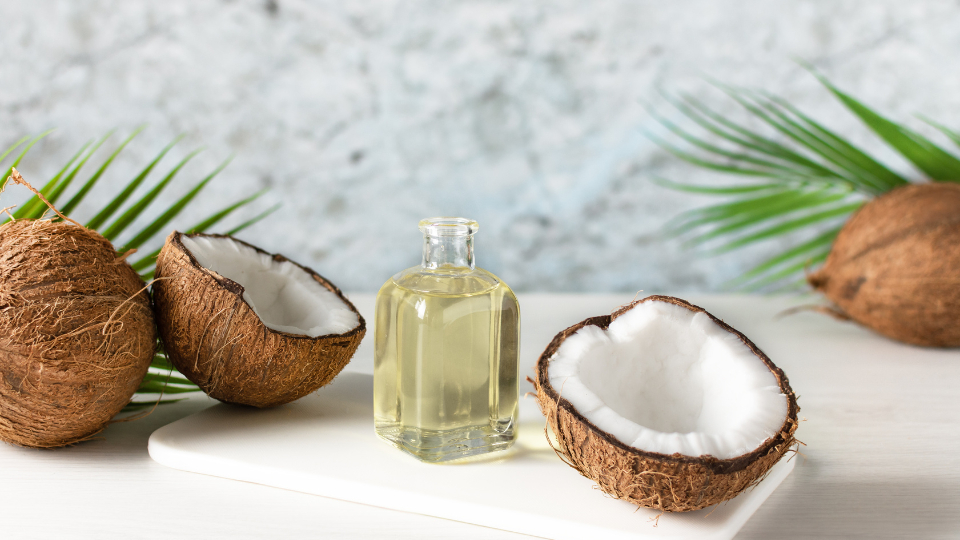
Coconut and coconut‑derived fats.
Palm kernel oil (not the same as regular palm oil).
Dairy fats (butter, cream, full‑fat dairy), which contain smaller amounts but real MCTs.
A major food science review and lipid chemistry papers describe MCTs as being largely derived from coconut oil and palm kernel oil in both clinical and industrial contexts.[1,2,6]
Important corrections for recipe writing and patient education:
Avocado is not an MCT‑rich food; it is mostly monounsaturated long‑chain fat.
Almonds and chia seeds are not meaningful sources of MCTs either; they are healthy, but they are not MCT delivery vehicles.[1]
So if you want your article or advice to be medically accurate, do not market nuts, seeds, or avocado as “MCT packed”.
You can absolutely recommend them as healthy fats or fiber‑rich foods, but label them correctly.
Coconut oil is not the same as MCT oil
This distinction matters clinically and is often blurred online.
Coconut oil contains a mixture of fatty acids and is particularly rich in lauric acid (C12), which is at the border between medium‑ and long‑chain classification and behaves more like a long‑chain fat in some metabolic pathways.
Commercial MCT oil is usually enriched in caprylic acid (C8) and capric acid (C10). These are more rapidly absorbed and are more ketogenic per gram than lauric‑acid‑dominant coconut oil.[2,6]
This is why someone on structured ketogenic therapy often responds better to a measured MCT product than to “just use coconut oil.”
For seizure control, dosing, blood ketone levels, and gastrointestinal tolerability tend to be more predictable with standardized MCT oil.[3,4]
The practical question patients ask: “How do I actually use this day to day?”
There are two very different patient groups where MCT oil appears most often. Your daily plan changes depending on which group you are in.
Group A: Fat malabsorption and weight loss
Here, the goal is calorie support with better tolerance, while still ensuring essential fatty acids and overall nutrition are adequate.[1,2]
Practical strategy:
Add MCT oil as a calorie tool, usually with meals, not as a stand‑alone shot.
Build it into foods that already suit the gut: soups, porridges, yogurt, mashed vegetables, and smoothies are common choices.
Keep overall fat balance in mind. MCT oil does not supply essential fatty acids, so patients still need some long‑chain polyunsaturated fats (e.g., from oils like canola, sunflower, or from fish) in the day.
Group B: Ketogenic diet therapies for epilepsy
Here, the goal is ketosis, seizure control, and adherence.
Practical strategy:
MCT oil is used as part of a structured ketogenic program, usually with dietitian support and regular monitoring of growth, labs, and seizure control.
In many modern modified MCT ketogenic protocols, roughly 20-30% of total energy comes from MCTs and the rest from long‑chain fats, allowing somewhat more carbohydrate and protein while preserving ketosis.[3]
The “recipe” is never random; it is part of a carefully designed plan with precise carbohydrate limits and defined fat distributions per meal and snack.
How to start MCT oil without getting diarrhea
The most common side effects are gastrointestinal: cramping, bloating, and diarrhea, especially if the dose is started too high or taken on an empty stomach.
Clinical nutrition guidance and epilepsy diet protocols repeatedly stress gradual titration.
Table 1. Safe titration that works in real life
In unsupervised general use, many adults find that about 1-2 tablespoons (15-30 ml) per day, split across meals, is the maximum they tolerate without GI upset. Higher intakes can be used in medical ketogenic diets, but only with specialist guidance.
Heart and cholesterol reality check
If someone uses coconut oil heavily as their supposed MCT source, they deserve a cardiometabolic warning. A systematic review and meta‑analysis found that coconut oil increases LDL cholesterol compared with non‑tropical vegetable oils, even when some other markers do not worsen.[10]
This does not mean coconut oil is banned, but it should not be promoted as universally “heart‑friendly,” especially for people with diabetes or established cardiovascular risk. In that population, regular lipid monitoring and a preference for unsaturated plant oils (olive, canola, soybean) is safer from a cholesterol standpoint.[10]
MCT oil itself is lipid‑neutral in most short‑term studies, but remember that it is still pure fat calories. Excess total fat intake can contribute to weight gain and, indirectly, insulin resistance if overall diet quality worsens.
Incorporating MCTs into meals, without hype
Here are medically sensible ways to incorporate MCT oil or MCT‑containing foods. The goal is to be practical, not trendy.
Breakfast ideas
Smoothie method: Blend yogurt or kefir with berries and a measured spoon of MCT oil. Start at 1 teaspoon and increase only if tolerated. This works well in malabsorption where liquid calories are often better tolerated.
Warm breakfast method: Stir MCT oil into oatmeal, porridge, or a warm cereal after cooking. Avoid using high heat as your first approach; many patients prefer adding it after cooking for both taste and GI comfort.
Coffee method: If using it in coffee, keep the dose small initially. A large amount can cause sudden GI upset; advise patients to treat it as a medical fat, not a “Bulletproof” trend drink.
Lunch and dinner ideas
Soup or puree method: Add MCT oil to a bowl of soup, lentil puree, or blended vegetable soup just before serving. This is often one of the best‑tolerated routes in malabsorption states.
Sauce and dressing method: Use a small amount in a dressing mixed with herbs and lemon, often combined with another oil that provides essential fatty acids. In ketogenic therapy, the dietitian will specify exactly how much MCT versus other fats should go into each portion.
Snacks
If your goal is truly “MCT delivery,” snacks like nuts and seeds do not qualify as MCT snacks, even though they are very healthy.
They can still be excellent snack options for protein, fiber, and long‑chain unsaturated fats, but label them correctly and reserve the term “MCT‑rich” for foods and oils that actually contain substantial MCTs.[9]
Simple MCT‑friendly recipes and how to use them
Below are flexible templates that can be adapted for malabsorption or ketogenic needs.
Table 2. Simple MCT‑friendly recipes and how to use them
A note about the “energy bite” idea: energy bites (e.g., coconut, nut butter, and MCT oil balls) can be useful if the goal is calorie density, but they can quickly become calorie bombs. In diabetes, they should be portioned intentionally, with clear guidance on how many pieces count as one serving.
MCT oil is calorie‑dense. It can help if the clinical problem is malnutrition, poor absorption, or a medically supervised ketogenic therapy. It is not a first‑line tool for weight loss or glucose control.
If a person simply adds MCT oil on top of their usual intake, their weight can increase, which may worsen insulin resistance over time.
Because MCT oil is mostly fat, it does not directly spike blood glucose, but excess fat calories can still harm metabolic health if they displace nutrient‑dense foods.
If coconut oil is used frequently in place of other fats, lipid profiles (especially LDL cholesterol) should be monitored, because high‑quality evidence shows LDL can rise compared with using non‑tropical vegetable oils.[10]
Bottom line: MCT oil has a real place in medicine, mainly in fat malabsorption and in ketogenic dietary therapy for epilepsy. When you discuss “how to use it daily,” the best patient advice is simple, start low, go slow, mix it into food, and use it for a clearly defined medical goal-not as a catch‑all wellness trend. Also, be precise, Reserve “MCT‑rich” for coconut, palm kernel, dairy fats, and purpose‑made MCT oils, and avoid labeling unrelated foods as MCT sources.