
How Much Protein Do You Need When Trying to Lose Weight

Fact checked by Diabetes.co.in Medical Review Board
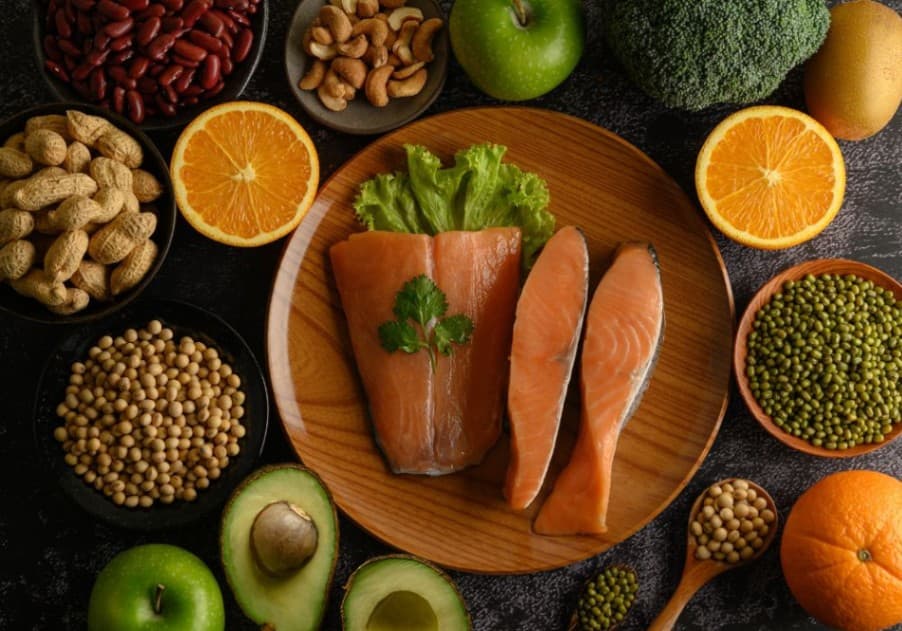
Protein is an important part of a healthy diet, but it becomes particularly important when you are trying to lose weight. Eating enough protein can help you feel fuller after meals, support muscle maintenance, and make it easier to follow a reduced-calorie eating plan.
For people with diabetes, protein can also help create more balanced meals by replacing some highly refined carbohydrate foods. However, more protein is not always better. The right amount depends on factors such as your body weight, age, activity level, overall calorie intake, and kidney health.
Why Is Protein Important During Weight Loss?
When you lose weight, the weight you lose does not come exclusively from body fat. Some lean tissue, including muscle, can also be lost. Maintaining muscle is important for strength, mobility, physical function, and long-term metabolic health.
Adequate protein intake, particularly when combined with resistance exercise, can help reduce the amount of muscle lost during weight loss.
Protein may also make weight loss easier because it generally provides greater satiety than an equivalent amount of carbohydrate or fat. A meal containing adequate protein may therefore help you remain satisfied for longer and reduce hunger between meals.
How Much Protein Does an Adult Need?
The Recommended Dietary Allowance, or RDA, for protein for most healthy adults is approximately 0.8 grams per kilogram of body weight per day. This represents the amount considered sufficient to meet the basic protein needs of most healthy adults.
For example, using the standard RDA:
| Body Weight | Approximate Protein at 0.8 g/kg |
|---|---|
| 60 kg | 48 g per day |
| 70 kg | 56 g per day |
| 80 kg | 64 g per day |
| 90 kg | 72 g per day |
| 100 kg | 80 g per day |
These numbers represent a general reference level rather than a personalized weight-loss target.
Do You Need More Protein When Losing Weight?
Some people may benefit from consuming more than the basic RDA while losing weight, especially when trying to preserve muscle during a calorie deficit.
Higher-protein eating patterns used in weight-management studies commonly provide roughly 1.2 to 1.6 grams of protein per kilogram per day, although the ideal amount varies between individuals. Older adults and people regularly performing resistance training may also have higher protein requirements.
However, simply increasing protein does not guarantee greater weight loss. Total calorie intake still matters. Adding large amounts of protein on top of your usual diet can increase calorie intake rather than creating the calorie deficit needed for weight loss.
People who have substantial excess body weight should also be cautious about calculating a high protein target using their current body weight. Doing so can sometimes produce an unnecessarily large protein recommendation. A doctor or registered dietitian can determine an appropriate target based on individual circumstances.
How Much Protein Should You Eat at Each Meal?
Instead of consuming most of your protein at dinner, it can be useful to distribute protein throughout the day.
For example, breakfast might include eggs, Greek-style yogurt, paneer, tofu, or another protein source. Lunch could contain dal, beans, chicken, fish, paneer, or tofu, while dinner could include another appropriate protein source.
This approach can make meals more satisfying and provides the body with protein at several points during the day.
What Are Good Protein Sources for Weight Loss?
The source of protein matters. Some protein-rich foods also contain large amounts of saturated fat, sodium, or calories. Choosing predominantly nutrient-dense protein sources can support both weight management and cardiovascular health.
Good options include:
- Fish
- Skinless chicken and other lean poultry
- Eggs
- Beans and lentils
- Chickpeas and rajma
- Tofu and other soy foods
- Low-fat paneer when available
- Unsweetened curd and Greek-style yogurt
- Low-fat dairy products
- Nuts and seeds in controlled portions
Plant-based protein foods such as lentils, beans, and chickpeas have the additional benefit of providing dietary fiber. However, they also contain carbohydrates, which should be considered when planning meals for diabetes.
Does Protein Raise Blood Sugar?
Protein generally has a smaller immediate effect on blood glucose than carbohydrate. This is one reason that adding protein to a carbohydrate-containing meal can make the meal more balanced.
However, this does not mean that people with diabetes should replace most carbohydrates with very large amounts of protein. Carbohydrate quality, fiber intake, overall calorie intake, fat quality, and portion sizes remain important.
People using insulin may also notice that meals very high in protein and fat can affect glucose several hours later. Individual responses vary, and glucose monitoring can help identify personal patterns.
What About Protein Shakes and Protein Powder?
Protein supplements are not necessary for most people. It is entirely possible to obtain adequate protein from regular foods.
Protein powders can be convenient for people who struggle to meet their protein requirements through food, but they should be treated as a supplement rather than the foundation of the diet.
If choosing a protein powder, check the nutrition label for added sugars, calories, saturated fat, and other ingredients. Products marketed as fitness or weight-loss supplements are not automatically healthier than ordinary foods.
Can You Eat Too Much Protein?
Very high protein intake is unnecessary for most people trying to lose weight. It can also displace vegetables, fruits, whole grains, and other foods that provide fiber and important micronutrients.
Protein intake deserves particular attention in people with chronic kidney disease. Diabetes is a major cause of kidney disease, and some people may have impaired kidney function without obvious symptoms.
People with diabetes and chronic kidney disease may require an individualized protein target. Increasing protein substantially or beginning a high-protein diet without discussing it with a healthcare professional may therefore be inappropriate.
Protein Works Best Alongside Resistance Exercise
Protein alone cannot fully protect muscle during weight loss. Resistance exercise provides the muscles with a reason to remain strong while calorie intake is reduced.
Exercises using weights, resistance bands, machines, or body weight can all contribute to maintaining muscle. Combining appropriate protein intake with regular resistance training is generally more effective for preserving lean mass than focusing on protein alone.
Focus on the Overall Diet
Protein is an important tool for weight management, but it is only one part of the diet. A healthy weight-loss plan should also provide vegetables, whole fruits, fiber-rich carbohydrate sources, and appropriate amounts of healthy fats.
Rather than trying to consume as much protein as possible, aim for an amount appropriate for your body and distribute it across meals using nutritious protein sources. For people with diabetes, especially those with kidney disease or other medical conditions, a doctor or registered dietitian can help determine an appropriate protein target while supporting safe and sustainable weight loss.