An insulin pump can be a good option, but it is not a magic shortcut. It works best when the right patient uses it with the right training and follow-up.
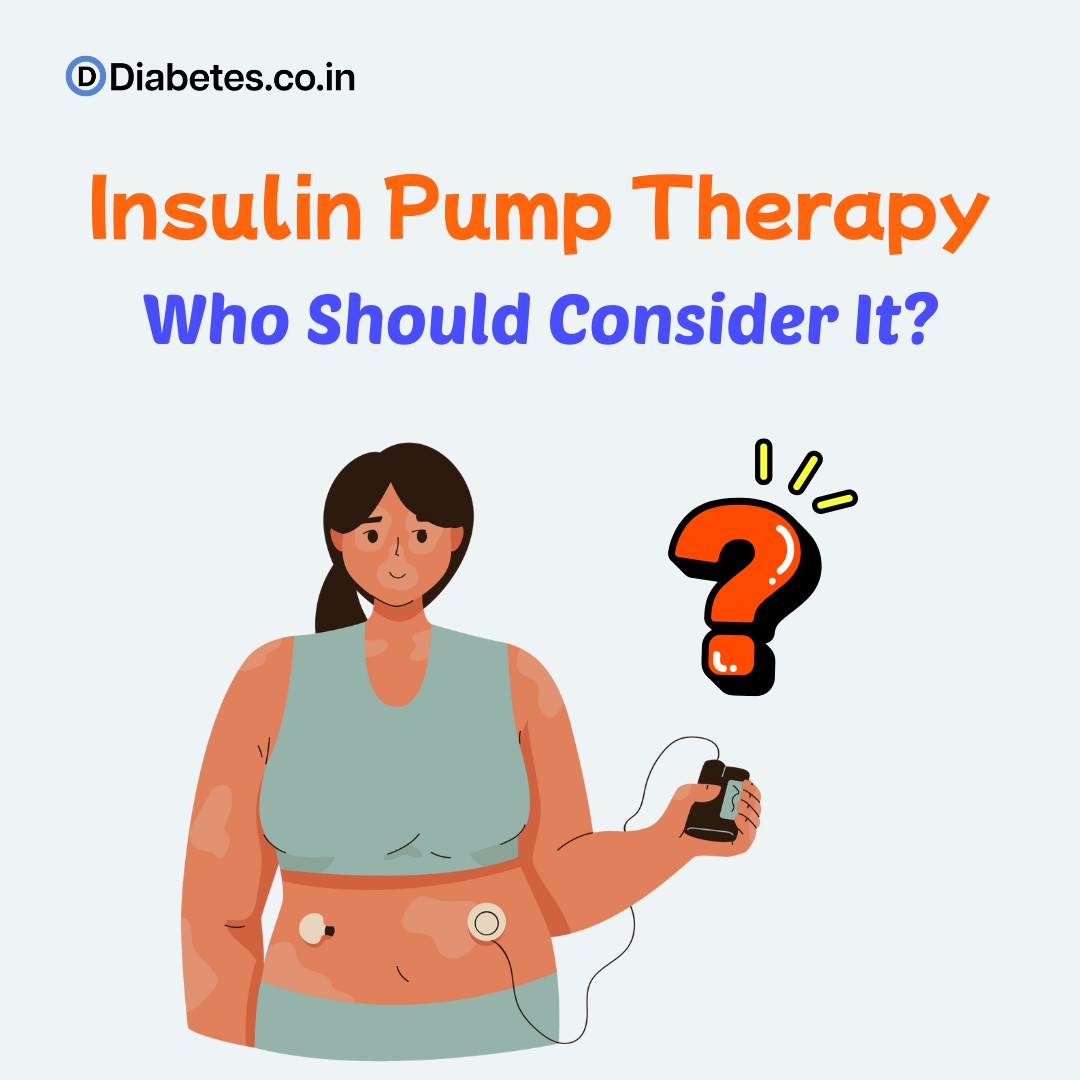
Who is usually eligible
The ADA’s technology guidance supports offering pump therapy and automated insulin delivery (AID) for people who need insulin intensification and can use the device safely, either on their own or with a caregiver. AID systems are increasingly preferred when available and suitable.[1,5]
In real life, pumps are most commonly used in:
- Type 1 diabetes, especially if control is not meeting targets on injections
- Insulin-deficient diabetes (including some long-standing type 2 on multiple daily injections) where sugars are variable
- People with frequent hypoglycaemia, dawn rise, or wide day-to-day swings
- People who need flexible basal rates due to shift work, variable meals, or exercise patterns.[2,3]
The one “must-have” requirement
The ADA puts it plainly. The absolute requirement is readiness to use the pump safely. That means you are willing to monitor glucose regularly and respond to alarms and problems.[1]
What a pump can help with
- More precise basal insulin delivery
- Easier meal boluses and corrections
- Potentially better time-in-range when used correctly, especially with CGM and AID.[1,5]
What you must be prepared for
This part is important, especially in India where hands-on pump experience can vary by centre.
- You must learn carb counting or at least structured meal estimation
- You need a plan for sick days, travel, and exercise
- You must understand what to do if the pump stops or the cannula fails, because insulin delivery can stop suddenly
- You need reliable access to supplies and a support team
A practical way to think of it: A pump can give you finer control, but it also needs more “driving skills”.
Your endocrinologist will decide eligibility after reviewing your diabetes type, current regimen, hypoglycaemia risk, motivation, and your ability to follow the safety steps.
If your main challenge is irregular routine and missed doses, a pump can help only if you are ready to engage with it daily. If you are, it can be a strong option.