For most adults, the minimum generally accepted protein target is about 0.8 g
per kg body weight per day. That is the current Recommended Dietary Allowance
(RDA) and appears in kidney guidelines and diabetes-CKD consensus statements
as the “normal” protein intake for adults, including those with diabetes and
stable kidney function. [1,2,5]
However, if the real issue is muscle loss and you are doing resistance
training, multiple expert groups conclude that 0.8 g/kg/day is often not
enough:
-
The PROT‑AGE Study Group and other geriatric nutrition experts recommend
1.0-1.2 g/kg/day for most adults over 65 to preserve muscle and function,
and 1.2-1.5 g/kg/day in older adults with illness or high risk of
malnutrition, provided kidney function allows it.experts.
-
Reviews on protein and aging similarly argue that ≥1.2 g/kg/day may be
optimal for older adults, especially with exercise.[5]
So a practical clinic approach is:
-
Minimum (most adults): about 0.8 g/kg/day
-
Muscle protection / some resistance training: 1.0-1.2
g/kg/day
-
Higher targets (frailty, older age, illness, rehab):
1.2-1.5 g/kg/day, individualized and only if kidney function is adequate

If you have chronic kidney disease (CKD) stages G3-G5 (not on dialysis), major
diabetes-kidney guidelines (ADA-KDIGO) recommend around 0.8 g/kg/day and do
not support pushing much higher routinely, because of theoretical risk of
faster kidney decline. That caveat is crucial in diabetes, where early CKD is
common and often silent.[1]
Table 1: Your daily protein target by body weight
(Choose your goal column based on your situation and kidney status.)
If your kidney function is normal, and you are actively training and trying to
regain muscle, the 1.0-1.2 g/kg/day column is usually reasonable to aim for.
If you have diabetes with CKD (G3-G5, not on dialysis), most consensus
guidance keeps you around 0.8 g/kg/day, and any move above that should be done
with your nephrologist/endocrinologist.kidneyfoundation.[1,2]
Why many Indian‑style diets end up low in protein
This is not “India vs West” as a value judgment-it is about plate structure
and staples.
A typical Indian vegetarian plate often has:
A large cereal base (rice, roti, poha, upma).
A smaller portion of dal or pulses.
-
Plenty of vegetables (excellent for fibre and micronutrients, but not very
protein‑dense).
Dairy sometimes, but often in modest amounts.
Large national datasets back this up:
-
ICMR‑NIN “What India Eats” shows that cereals and millets contribute
nearly half of all protein intake in both rural and urban India, with
pulses, milk, eggs and flesh foods contributing much less than
recommended.
-
MOSPI “Nutritional Intake in India” reports that while average protein
intake per capita is around 59 g/day, 51-60% of this protein comes from
cereals in urban and rural populations respectively.
Two practical consequences:
-
Protein percentage of calories stays modest. When most of your calories
come from cereals and oils, total protein as a % of energy tends to be
low, even if grams/day look acceptable on paper.
-
Protein quality and per‑meal dose are often weak. You might eat just a
small katori of thin dal at lunch and dinner. Daily totals may hover near
0.8 g/kg/day, but you rarely hit a meaningful 25-30 g dose per meal, which
is the level at which muscle protein synthesis responds optimally in
adults.[5]
That is why many Indian patients who start resistance training feel they are
eating “enough” yet still fall short of effective protein intake.
The two rules that actually build or preserve muscle
Rule 1: Total protein per day matters
If your daily total is too low, you will not maintain or build muscle, no
matter how clever the timing. The first step is to reach your g/kg/day target.
Rule 2: Protein per meal matters
Muscle protein synthesis works best when protein is distributed across the
day, not all crammed into one meal.[5]
A practical pattern for many adults:
This is a clinical pattern, not a rigid rule, but it stops you from having
“just 5-7 g” of protein in multiple meals and expecting muscle change.
How to increase protein on a mostly vegetarian diet
Vegetarian diets can absolutely meet higher protein targets, but they require
intentional planning.
High‑impact vegetarian protein sources
Think of these as your main “engine” foods:
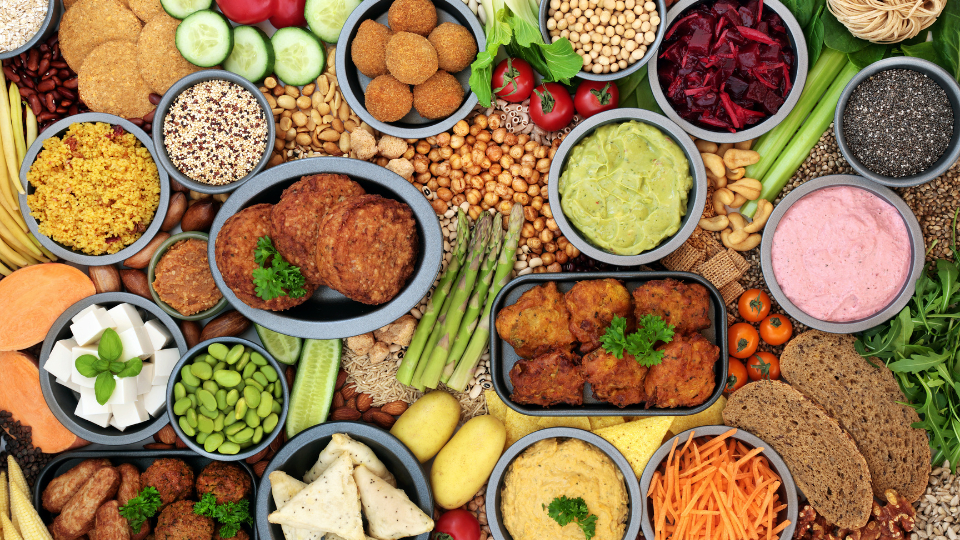
Milk, curd (yogurt), Greek yogurt, paneer.
Soy foods: tofu, soy chunks, tempeh, edamame.
-
Pulses and legumes: lentils, chickpeas, rajma, chole, black gram.
Eggs if you are ovo‑vegetarian.
Supporting but not primary protein sources:
Higher‑protein grains (oats, quinoa).
-
Nuts and seeds (almonds, peanuts, flax, chia) - excellent but
calorie‑dense, not enough alone.
For people with diabetes, soy, paneer, tofu, Greek yogurt are particularly
useful because they are protein‑dominant, not carb‑dominant.
Table 2: Approximate protein from common vegetarian foods
(Numbers are rounded, for planning only; brands and recipes vary.)
If dal is very watery and the portion is small, the true protein intake may be
far lower than patients assume.
Do you need protein powder?
Honest medical answer: protein powder is a tool, not a must.
It becomes useful when:
Your target is high (1.0-1.2+ g/kg/day).
Your appetite is low.
You have little time/ability to prepare protein foods.
-
You are vegetarian and would otherwise need to eat excess calories or
carbs to reach the target
For someone with diabetes, the main question is:
“Does this powder give me protein without dumping sugar into my diet?”
What to check on the label
Look for:
-
Protein per serving: usually 20-30 g per scoop is typical
for whey/soy/isolates.
-
Added sugar: ideally 0 g or very low; watch for sucrose,
glucose, corn syrup.
-
Total carbohydrate: keep lower if glucose control is
tight; some powders have added maltodextrin.
-
Ingredients order: avoid products where sugar, glucose,
maltodextrin, or cereal flours are high in the list.
-
Prefer “unsweetened” or “no added sugar” options if
possible.
This is label logic, not brand endorsement.
How many scoops per day is reasonable?
It depends on the gap between:
A rough process:
Use Table 1 to set your g/day target.
-
Add up approximate protein from your daily diet (using Table 2).
See how many grams you are short.
Example:
70 kg, resistance training = target ~84 g/day (1.2 g/kg)
Current diet gives ~50 g/day = gap of ~34 g
A typical scoop with 24 g protein can bridge most of that gap.
For many adults:
1 scoop/day is a reasonable start.
-
2 scoops/day can be used if the dietary gap is large and you tolerate it
well.
-
More than 2 scoops is rarely necessary unless you have very high needs and
limited food intake.
For diabetes, consider:
Taking the shake with a meal or as a planned snack.
-
Not piling it on top of an already high‑calorie, high‑carb day.
If weight loss is also a goal, protein powder should replace a lower‑protein
snack or help you reduce cereal portions, not simply add calories.
What about kidney safety in diabetes?
-
If kidney function is normal, higher intake in the 1.0-1.2 (up to 1.5)
g/kg/day range is generally acceptable in many adults, especially older
adults with sarcopenia and on resistance training, according to geriatric
nutrition groups.[4,5]
-
If you have diabetes with CKD, most ADA-KDIGO recommendations aim for
around 0.8 g/kg/day, which is the general RDA, and do not support
aggressive low‑protein diets below 0.8 g/kg/day or unsupervised
high‑protein diets.[1,2]
Before you commit to a high‑protein plan, it is sensible to check:
These are standard tests in routine diabetes care.
A practical day plan for a vegetarian aiming for ~80-90 g/day
For a 70-75 kg person targeting ~1.1-1.2 g/kg/day:
Thick dal (1 cup) plus a paneer/tofu side dish, plus vegetables.
1 scoop protein shake (unsweetened) in water or milk (if calories allow).
Chickpeas/rajma (1 cup) plus curd or tofu, plus vegetables.
The “secret” is simply: at least two meals with a strong protein anchor, not
just a tiny ladle of dal.
Why resistance training and protein must go together
Without adequate protein:
This pattern is common in diabetes and in older adults, which is why expert
groups emphasize both exercise and ≥1.0 g/kg/day protein for preserving
function.[4,5]
Bottom line
-
Minimum protein for most adults is about 0.8 g/kg/day - this is also the
usual target in diabetes and CKD guidance for many non‑dialysis
patients.[1,2]
-
If you are losing muscle and doing resistance training, 1.0-1.2 g/kg/day
is often a more realistic and evidence‑based target when kidney function
is normal.experts.[4,5]
-
Many Indian‑style diets are protein‑light and cereal‑heavy, with most
protein coming from cereals, which are lower‑quality proteins compared
with pulses, dairy, soy and animal protein.[6}
-
Protein powder is an optional tool, not a requirement. If used, choose
low‑sugar, low‑carb formulations and count the grams into your total daily
target, not on top of it.