Diabetes.co.in

How Many Calories in 1 Spoon of Brown Sugar?

Answered byDr. Umesh Kumar GargMBBS, MD (General Medicine), DM (Endocrinology)
Asked on
Answered on

Patient's Query

29 years oldMale

I have diabetes and I’m trying to reduce sugar, but I still add one spoon of brown sugar to my tea or coffee. People keep telling me brown sugar is healthier than white sugar, so it should be fine.

I want a clear answer: how many calories are there in one spoon of brown sugar, and does it raise blood sugar less than regular sugar? Also, when articles say ‘spoon’, do they mean teaspoon or tablespoon?

I don’t want to overthink, but I also don’t want small habits to push my HbA1c up over time. If I’m using only one spoon a day, is it okay, or should I stop completely? What is a practical, diabetes-friendly way to handle sweet cravings without messing up my sugar levels?

Endocrinologist Answers

Dr. Umesh Kumar Garg
MBBS, MD (General Medicine), DM (Endocrinology)EndocrinologistView Profile

First, what does “1 spoon” usually mean?

How Many Calories Are in 1 Spoon of Brown Sugar in Tea for Diabetes?

In nutrition, “spoon” is often used loosely. The two common measures are:

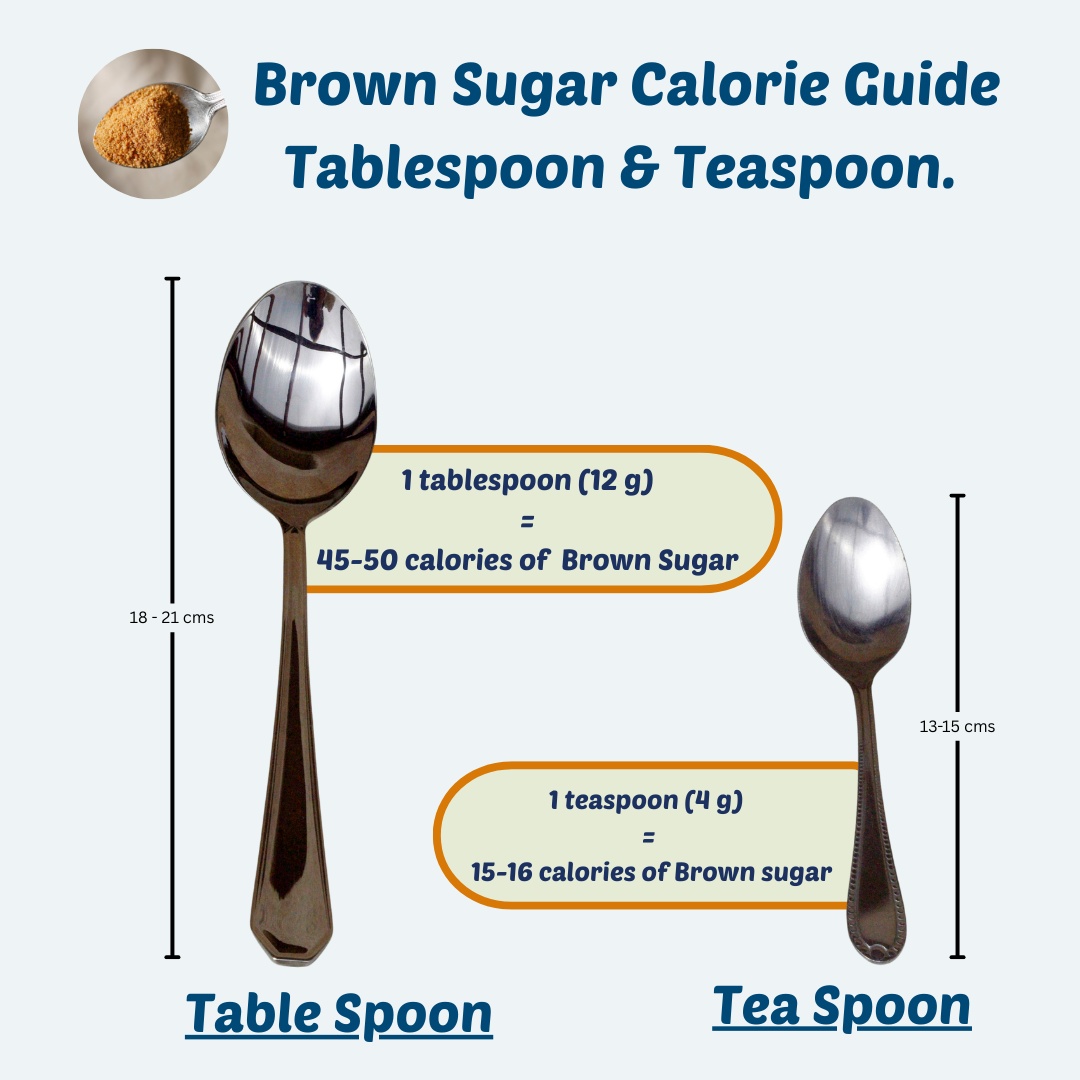
  • 1 teaspoon (tsp): about 4 grams of brown sugar.
  • 1 tablespoon (tbsp): about 12 grams of brown sugar.

That difference matters a lot for calories and sugar load.

Calories in 1 spoon of brown sugar

Brown sugar is almost pure carbohydrate. Carbohydrate gives 4 calories per gram, so the math is straightforward.

  • 1 tsp (about 4 g) gives roughly 15-16 calories.
  • 1 tbsp (about 12 g) gives roughly 45-50 calories.[2]

     Brown Sugar Calorie Guide  Tablespoon & Teaspoon image

Your source article mentions numbers like these, but it does not cite a calorie database. Its single reference is a general “healthy eating as you age” page, which does not support spoon-wise calorie counts for brown sugar.[1]

Is brown sugar better than white sugar for diabetes?

Not in a meaningful way. Brown sugar is still mainly sucrose (table sugar) with a small amount of molasses. For blood glucose and HbA1c, it behaves very similar to white sugar. The “brown” colour does not make it diabetes-safe.[3]

What this means practically

If you take sugar daily in tea, the habit adds up. The most useful step is reducing added sugars overall, and if you need sweetness, using non-nutritive sweeteners in moderation can help some people reduce sugar intake.[5]

334

Disclaimer: The information provided in this Q&A is for educational purposes only and should not be considered as medical advice. Always consult with a qualified healthcare professional for personalized medical guidance and treatment recommendations.

© 2026 Diabetes.co.in. All Rights Reserved.
DISCLAIMER: The content on Diabetes.co.in is reviewed by our Medical Review Board, led by a team of expert endocrinologists, to ensure that all information is accurate, up to date, and based on the latest evidence-based medical guidelines. The main purpose of this platform is to educate the general public about diabetes and provide reliable, easy-to-understand health information. However, this content is meant only for educational purposes and is not a substitute for professional medical advice, clinical evaluation, diagnosis, or treatment by a qualified doctor.