Diabetes.co.in

Do I Need Yearly Eye Checks for Diabetes? (Even If Vision Is Normal)

Answered byDr. Kiran Kumar GollaMBBS, MD (General Medicine), DM (Endocrinologist)
Asked on
Answered on

Patient's Query

36 years oldfemale

I have type 2 diabetes and keep hearing about the dangers of diabetic retinopathy. How frequently should I schedule eye exams if I don't currently have vision problems or noticeable symptoms? Is annual screening necessary?

Endocrinologist Answers

Dr. Kiran Kumar Golla
MBBS, MD (General Medicine), DM (Endocrinologist)EndocrinologistView Profile

Yes, you still need eye checks even if vision is normal

Diabetic eye disease (diabetic retinopathy) can start silently. Many people feel their vision is “perfect” until the disease is already advanced.

The goal of screening is to detect changes early and prevent vision loss, not to wait until you notice a problem.
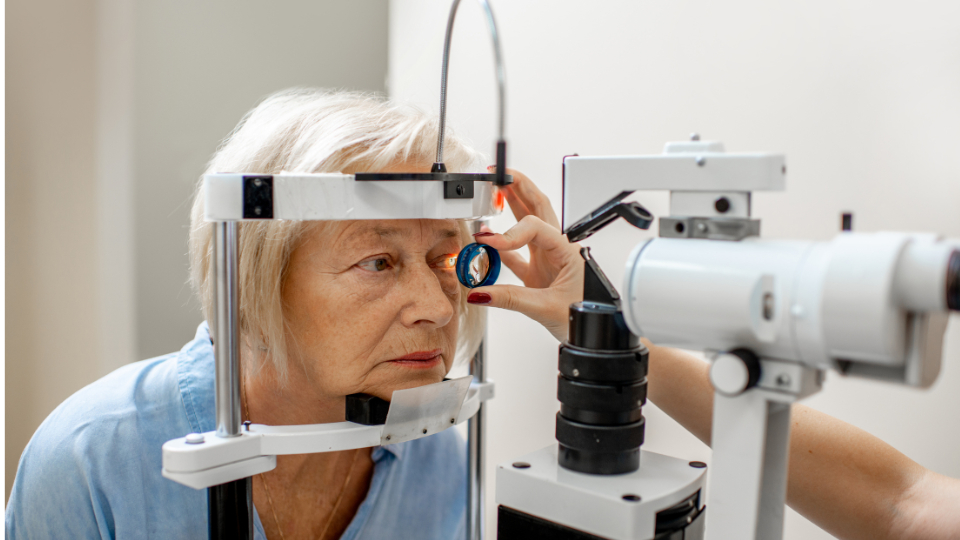
Do I Need Yearly Eye Checks for Diabetes? (Even If Vision Is Normal)

When should screening start and how often?

Type 2 diabetes:

  • First eye exam at the time of diagnosis (because type 2 diabetes may be present for years before it is detected).

  • After that, usually once every year.

Type 1 diabetes:

  • First eye exam within 5 years after diagnosis (for most adults and older children).

  • Then usually yearly.

If the eye exams are normal and sugars are stable:

  • Some people can safely extend to every 1-2 years, depending on:

    • Duration of diabetes.

    • Quality of control.

    • Previous eye exam findings. This decision should be made by your ophthalmologist or retina specialist.

Pregnancy:

  • If a woman has pre‑existing diabetes and:

    • Is planning pregnancy, or

    • Becomes pregnant, an eye check is recommended before pregnancy or in the first trimester, with more frequent follow‑up during pregnancy if retinopathy is present (pregnancy can temporarily worsen retinopathy).

What symptoms should make you see an eye doctor urgently?

These can suggest bleeding, swelling, or retinal detachment and need urgent evaluation:

  • Sudden new floaters (black dots, cobwebs, or strings)

  • Blurred vision that is new or getting worse

  • A dark patch or curtain‑like shadow in part of your vision

  • Sudden drop in vision in one or both eyes

  • New trouble with night driving, glare, or judging distance (often blamed on headlights but may be eye‑disease related)

Important: Early diabetic retinopathy often has no symptoms at all. Screening is still needed even when vision seems normal.

Eye check is not the same as “number check” or cataract check

Many patients say, “I checked my eyesight, it’s normal.”

A proper diabetes eye screen means a retina evaluation:

  • Dilated retinal examination by an ophthalmologist.

  • Retinal photographs (digital fundus photography).

This is different from just:

  • Checking your spectacle power (“number”).

  • Looking only for cataract.

Ask specifically if your exam included a retinal evaluation for diabetic changes.

What reduces the risk of diabetic eye disease the most?

The eye exam finds damage, your daily control helps prevent or slow it:

  • Keeping glucose controlled (HbA1c near your individual target).

  • Keeping blood pressure in target range.

  • Keeping cholesterol/lipids controlled.

  • Not smoking (or quitting, if you do).

These measures reduce the risk of developing retinopathy and slow progression if it is already present..

Simple takeaway

If you have diabetes, eye screening is preventive care, like a “silent damage check.”

Even with normal vision, getting the retina checked on schedule is one of the best ways to prevent vision loss or blindness from diabetes.

0

Disclaimer: The information provided in this Q&A is for educational purposes only and should not be considered as medical advice. Always consult with a qualified healthcare professional for personalized medical guidance and treatment recommendations.

© 2026 Diabetes.co.in. All Rights Reserved.
DISCLAIMER: The content on Diabetes.co.in is reviewed by our Medical Review Board, led by a team of expert endocrinologists, to ensure that all information is accurate, up to date, and based on the latest evidence-based medical guidelines. The main purpose of this platform is to educate the general public about diabetes and provide reliable, easy-to-understand health information. However, this content is meant only for educational purposes and is not a substitute for professional medical advice, clinical evaluation, diagnosis, or treatment by a qualified doctor.
Do I Need Yearly Eye Checks for Diabetes? (Even If Vision Is Normal)